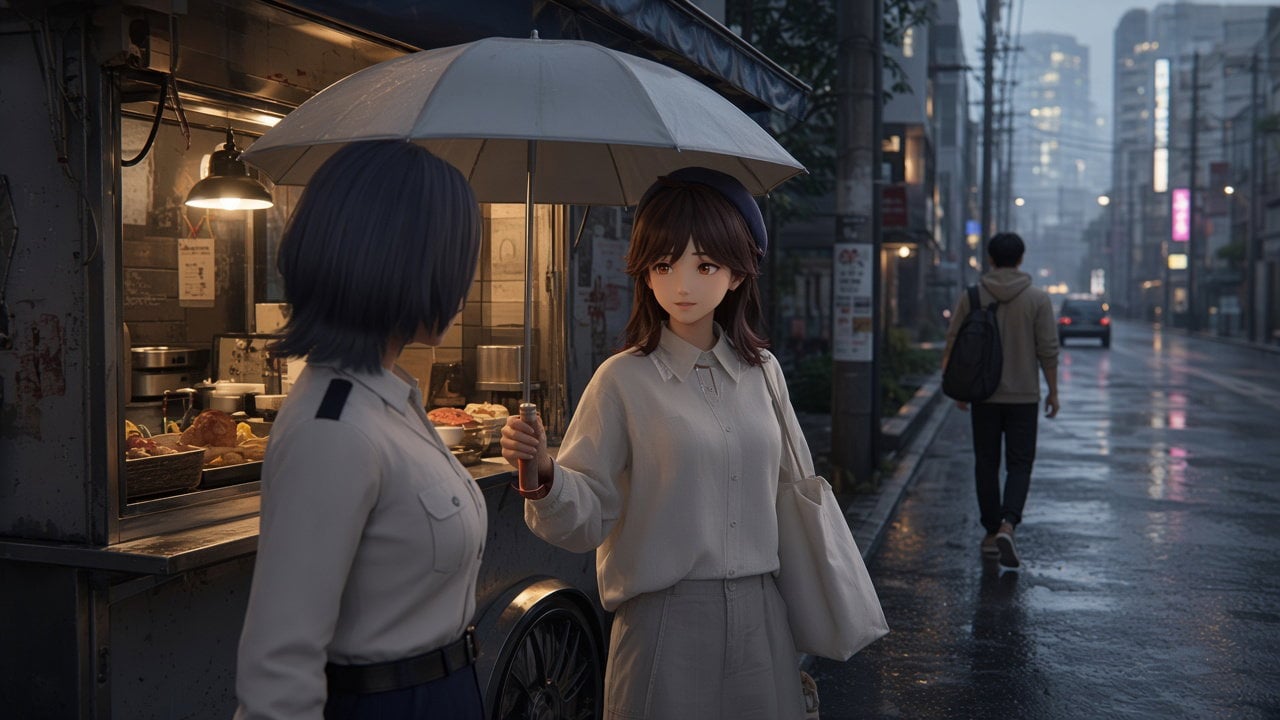
Urban sandboxes have a familiar way of going hollow. The streets render, the districts have names, and the player still ends up doing two things: crossing the map and fighting. Doors are textures. Plazas are the gap between encounters. miHoYo’s latest Varsapura hiring reads like a refusal of that habit. The studio is staffing the city as a place where ordinary time — a shop, a meal, a stretch of public pavement — is supposed to become something you can play.
The opening sits on the company’s own careers board: Systems Designer (Gameplay) — Varsapura, full-time, Shanghai, filed under product planning. The first duty is to design systems and gameplay inside an urban sandbox, and to turn life in a real city, the small amusements people actually seek out, and the way strangers and acquaintances deal with each other into game content with some pull. Several Varsapura roles have been landing on that board. This one is the clearest statement yet of what the city is for when nobody is in a fight.
Scenes the player is meant to enter
The requisition names the rooms. Shops. Places to eat. Entertainment venues. Public space. Around those, the designer builds activities and interactions a player can take part in, so walking the city has some density of life and exploration is about more than the distance to the next fight.
A shop is the easiest of the four to fake: a counter, a currency, a leave prompt. A place to eat is almost as easy, and it drains a district when the only result is a buff icon. An entertainment venue needs a reason to stay in the room. A public space — a square, a covered walkway, the patch of pavement where people bunch up out of the rain — needs something you can join because you were already on that block.
Those stops are allowed to grow. Window-shopping, sitting down to eat, or walking into whatever is happening in a public room could stay as light interactions. They could harden into quests, with a start, a favor, and an ending. They could become modes with their own rules, a hobby the block still offers after the story has moved on. A quest spends itself. A short interaction can be a beat you stumble into while cutting through a side street: a clerk with a noon crowd, two people under one awning, a corner that only makes sense after dark. The posting leaves the mix undecided. Lining stores along a commercial street would make a district legible in a screenshot. The result this role is hired to chase is a walk that produces people and situations worth the detour.
The job asks for someone who watches blocks
Three years in games, system or gameplay design already on the résumé, and enough ownership to carry a module through to implementation. Then a line that would look strange on most action-RPG postings: love city life, stay curious about ordinary things, and be good at catching what is pleasant or funny in an alley, a shop, a public room, and in the way people share a space. Turn that noticing into a playable idea.
City life arrives as a queue at a small counter, a shopkeeper with opinions about the lunch rush, a venue that is dead at four and crowded at ten. Someone has to cut those scenes into rules that read clearly, feel worth doing, and can be built. The posting treats that translation as the skill: rule design, the ability to take a system apart, and the judgment to pitch ideas that fit the project’s subject, the experience being aimed at, and the production limits in the room. The path they describe is pitch, then prototype, then another pass once the prototype has met reality.
Level design, quest design, art, engineering, and UI/UX are the people in the room. A street idea has to survive that group, and “it functions” is the low bar. The role owns player feedback across four qualities: whether the activity is understandable, whether the game teaches it, how it sits in the rhythm of a session, and whether it is worth doing again. A charming exchange on a corner is a set piece. The fourth time the player is on that street, the charm is spent, and what remains is a reason to step into the shop, take the table, or stay for whatever is happening in the square. Usability decides if the reason is legible the first time. Pacing decides whether a meal fights the combat for the evening or gives the evening another gear.
Preferred backgrounds match the bet. City settings, open worlds, sandboxes, life sims. A stock of real observations, with a trail from the thing noticed to the mechanic built from it. Time on a high-end project, or a system carried from concept through prototype to a shipped build. The studio also wants someone who can say the design out loud and push the snags. The odd part is the source material: the city outside the office counts as prep.
Driving, fighting, and looking around are the floor
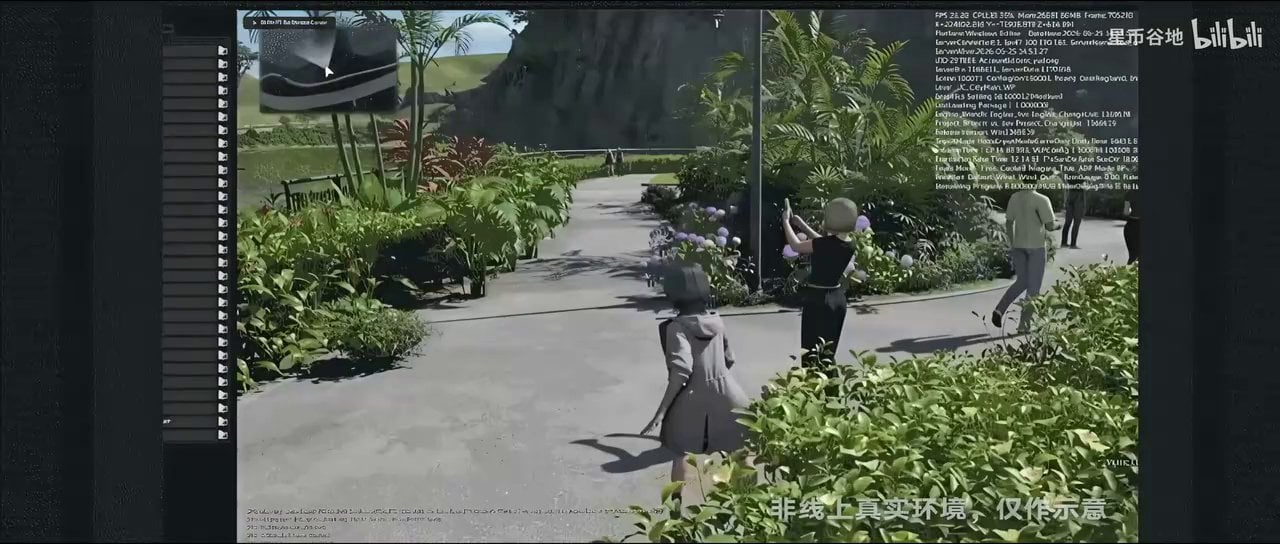
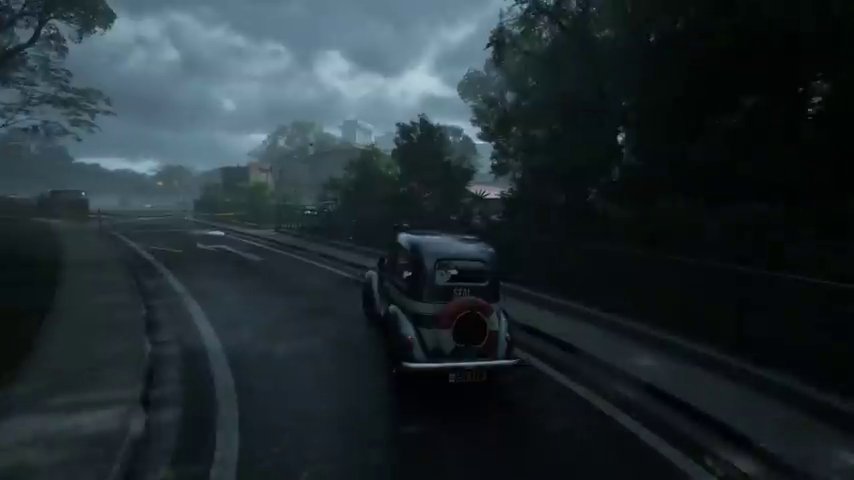
Earlier play has already put other verbs in public. Vehicles and driving. An umbrella in the middle of the action. Combat. Exploration. Those are shown. Set the new brief beside them and the shape is easier to name. The player is meant to cross this city and fight in it, and also to occupy it the way a resident occupies a neighborhood: errands, meals, rooms with other people in them, a public gathering that was not on the schedule.
Driving, fighting, and looking around are the floor. Plenty of city games reach it and still feel vacant once the objectives thin out, because the blocks between markers offer distance and little else. The case for lingering is smaller. A person worth talking to who is not standing there to hand out a quest. A meal that takes longer than a menu confirm. A public spot you can join because you were already on the pavement. Next to a boss those beats look minor. They are what gives a district hours instead of a route.
An umbrella already caught up in the fighting is a small tell that weather is doing work on the street. Rain changes which door looks worth opening and who will stand outside. Daily play has something to grip if the city is a set of conditions — wet pavement, crowded rooms, a reason to go inside — and the fights already share those conditions. That is a reading of the footage beside the requisition. It stops short of a feature list. Nobody outside the project can say whether eating is a two-button interaction or a room you remember, or whether a gathering is scheduled or simply starts when enough people are on the block.
A requisition leaves the numbers blank
The posting describes work the team wants staffed. It says nothing about how many activities will exist, or how deep any one of them goes. Ordering food can be a short interaction with a result attached, or a place with regulars and a reason to come back another night. Shopping can be a menu, or a small expertise: which stall is worth the walk. Both readings fit the same paragraph. Only a build can pick one, and that build is not in players’ hands.
Prototypes have to be tested before anyone pretends they are content. Art, code, and interface have to carry an idea without sanding off the reason it was interesting. Guidance has to teach a street activity to someone who showed up for the combat. Repeat value has to show up on the second night and the fifth. Studios write those duties because the failure is common: a city that looks occupied in stills and plays like a corridor with better lighting.
The careers board is still moving. New Varsapura roles keep arriving, and each one that names a scene makes the intended play a little less foggy. Inside the project, the briefs are thicker than anything posted. The public page is still one of the few places the daily-life ambition appears in the studio’s own words. Reading it as a content calendar overdraws the evidence. Reading it as empty is just as off. Someone is being hired to do the work, with collaborators and a feedback list attached.
Spring Festival is a rumor with no schedule attached
Talk online has guessed that another test round might land around Spring Festival. The next one falls on February 6, 2027. The guess is still a guess. miHoYo has not given a start time for this confidential test, has not said how long it would run, and has not said how many people would get in. A holiday is a shape people hang a date on. The project has not published one, and treating the rumor as a schedule is how a community watches a launcher for a build nobody officially placed there.
Hiring is ongoing, and the city play being recruited for is more specific than it was when the visible material was driving, an umbrella in a fight, combat, and exploration. The gap between a posting and a controller is still the unannounced part: when a test opens, who gets a slot, and how much street-level work is in the version those people would see.
A city you would stay in after the fight
A trailer can cash the verbs already in public. You can drive. You can fight. You can explore. Those would carry a polished urban action game, and they are the part of Varsapura that is easy to point at. The hiring round adds a worse trailer and a better tenth hour. Can the city feel occupied at the scale of one block? A shop with something to do. A meal that counts as play. A public space that behaves like an event you might wander into. People whose small dealings are worth stopping for, because a designer was hired to notice that and turn it into rules a player can meet on foot.
If that layer comes out thin, the set pieces will still be there, and so will the problem the requisition seems written to head off: large streets, finished facades, crossing them and fighting. If the layer holds, the reason to stay in Varsapura after the next fight is already in the job they are filling. A daily life, treated as the work, revised until a player would choose it twice.