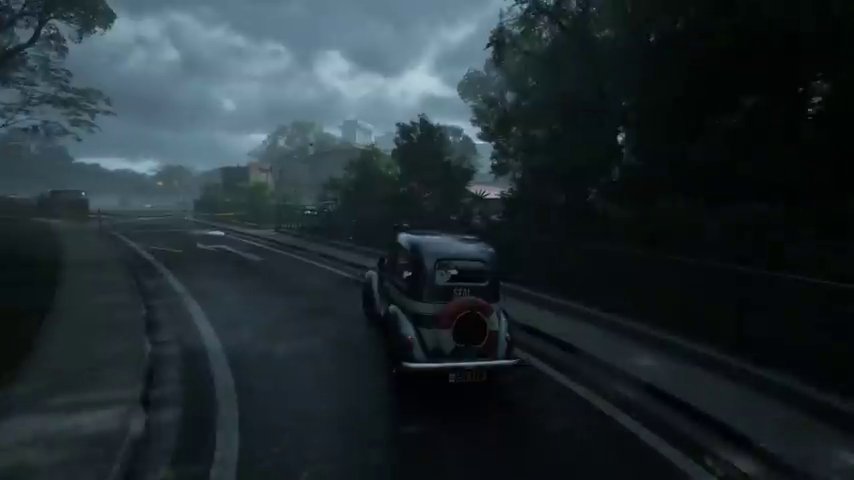
Is Varsapura another Genshin Impact?
When HoYoverse releases a new game, the entire gaming industry stops to pay attention. Having essentially redefined the free-to-play action RPG market with the juggernaut that is Genshin Impact, expectations for any of their subsequent projects are stratospheric. Recently, we were treated to a massive 31-minute gameplay demo of their upcoming title, Varsapura. Almost immediately, the community began buzzing with a single, burning question: Is Varsapura just another Genshin Impact wearing a new coat of paint?
It’s a fair question to ask. Game developers often find a formula that works and iterate upon it, and HoYoverse is no stranger to maintaining a cohesive, recognizable “feel” across their portfolio. However, after thoroughly dissecting the 31-minute demo frame by frame—analyzing the combat, the narrative structure, the world-building, and the underlying mechanics—the answer becomes increasingly clear. While Varsapura definitely shares the high-fidelity anime aesthetics and polished production values of its predecessor, it is carving out a distinct identity that sets it far apart from the vibrant, breezy fields of Teyvat.
Let’s dive deep into what Varsapura has to offer and see exactly how it stacks up against the giant that is Genshin Impact.
Setting the Stage: From High Fantasy to Cyberpunk Noir
The most immediate and striking difference between the two games is the setting and the overall atmosphere. Genshin Impact is the quintessential high-fantasy adventure. It presents a bright, colorful, and sprawling open world where you climb mountains, glide across valleys, and interact with elemental gods.
Varsapura aggressively bucks this trend. The demo plunges us into a gritty, urban, cyberpunk-inspired environment. Gone are the lush green fields and ancient ruins; instead, we are treated to rain-slicked city streets, glowing neon signs, holographic digital barriers, and sterile, high-tech corporate corridors. The world of Varsapura feels oppressive and dangerous.
The core threat in this universe isn’t a whimsical dragon or a fatui harbinger. It’s a phenomenon known as “Mind Rot.” This isn’t just a generic evil energy; it’s described in-game as a byproduct of humanity’s collective thoughts stagnating. It manifests as a dark, viscous, bubbling substance that literally corrupts the environment, creating hazard zones and spawning terrifying shadow monsters.
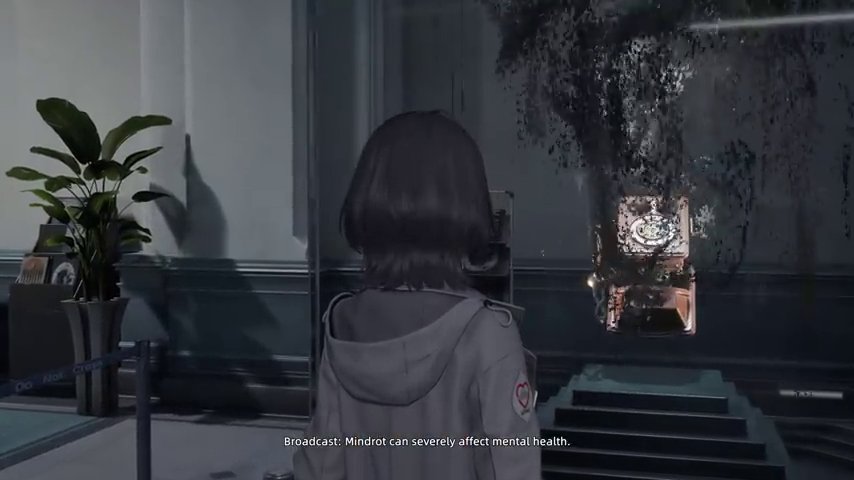
The game’s narrative tone reflects this darker setting. Early in the demo, we see the protagonist entering a reception area to apply for a position at “Seal,” also known as the Shadow Bureau. There are digital application forms, warnings about “slight discomfort” during consciousness verification, and a heavy bureaucratic overlay that makes the world feel grounded and organized, despite the supernatural horrors lurking just outside.
A Bizarre and Psychological Narrative
Genshin Impact often begins its arcs with straightforward heroic quests—finding a lost sibling, saving a city from a storm dragon, or uncovering an ancient secret. Varsapura, on the other hand, leans heavily into psychological thriller territory.
During the protagonist’s “interview” for Seal, the sterile waiting room melts away into a dark, fragmented, and corrupted dimension. The protagonist finds himself confronted by a massive, imposing entity composed of swirling mist and glowing red lines. This entity, later revealed to be a senior member of the bureau known as “Mr. Shadow,” actively mocks the protagonist, delving into his psyche with lines like, “Still, you’re haunted by a nameless lie. You don’t know who you are… I see your true self. You’re no hero.”
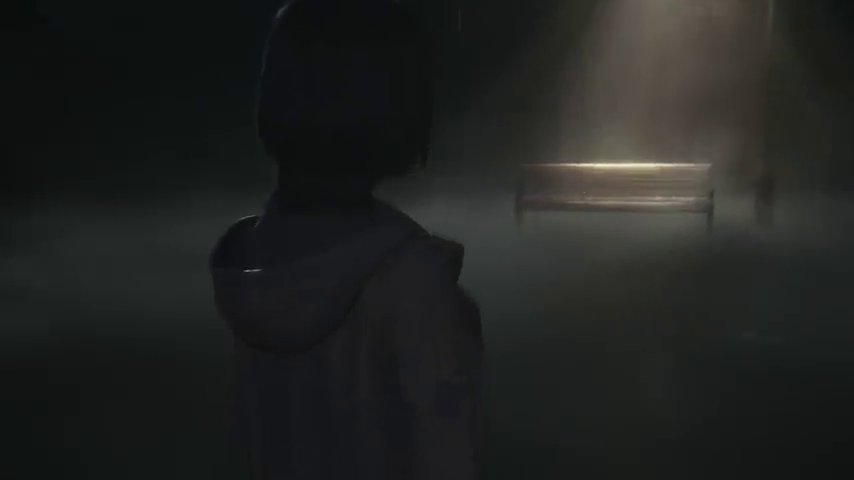
This level of psychological probing and surreal environmental design feels drastically different from the usual HoYoverse fare. Furthermore, the protagonist’s motivations are intriguingly dark. When asked why she wants to join Seal, the female protagonist bluntly states, “I’m looking for my killer. Not the most altruistic goal.” This revenge-driven narrative, coupled with themes of mental corruption and existential dread, gives Varsapura a sharp, mature edge that Genshin Impact generally avoids.
The Combat: Character Action Over Elemental Reactions
If there’s one system that defines Genshin Impact, it’s the elemental reaction combat. The entire meta revolves around swapping characters rapidly to combine elements like fire, water, and electricity to trigger massive damage multipliers.
Varsapura takes the combat in a completely different direction, drawing heavy inspiration from pure character action games like Devil May Cry or Bayonetta. The combat shown in the demo is visceral, blisteringly fast, and deeply focused on the individual character’s moveset rather than team-based elemental synergy.
The protagonist is seen wielding a glowing weapon that leaves brilliant, stylized trails of light—pink, blue, and yellow energy ribbons that slice through the dark, corrupted environments. The emphasis appears to be on executing tight combo chains, perfect dodges, and launching visually spectacular ultimate attacks that clear entire rooms of shadow monsters. We see aerial juggles, spinning attacks surrounded by colorful streaks of light, and heavy descending smashes that create neon shockwaves upon impact.
There is a distinct lack of the slow, methodical elemental setup seen in Genshin. Instead, Varsapura wants you in the thick of the action, reacting to enemy patterns and countering with blinding speed. When the characters face off against a massive, armored boss monster that radiates purple energy, the resulting clash is a chaotic, explosive ballet of glowing particles and high-speed maneuvers.
Sneaking in the Shadows: Stealth Mechanics
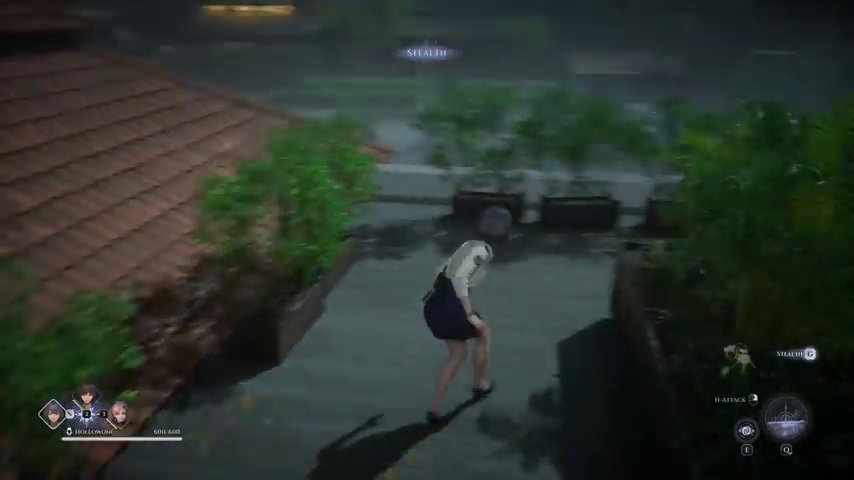
Perhaps the most surprising gameplay element revealed in the 31-minute demo was the inclusion of dedicated stealth mechanics. During a testing chamber sequence, the protagonist is instructed to “save the civilians without alerting the monsters.”
The game transitions into a stealth sequence complete with red vision cones projected onto the floor, indicating the enemies’ lines of sight. The protagonist is shown hiding behind walls, observing patrol patterns, and executing swift, silent takedowns from behind, highlighted by bright pink energy bursts.
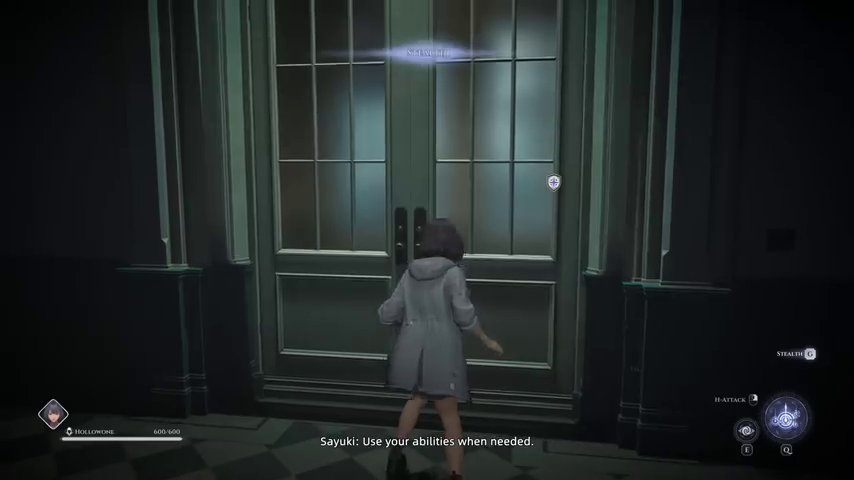
This is a complete departure from the typical HoYoverse formula. While Genshin Impact occasionally features very rudimentary, quest-specific sneaking segments, they are generally simple and largely ignored by the core gameplay loop. Varsapura seems to have built a functional, integrated stealth system that actively breaks up the pacing of the high-octane combat encounters. It adds a layer of tactical planning to a game that already demands sharp reflexes.
World-Building and Lore Delivery
The way Varsapura delivers its lore also sets it apart. In one particularly charming segment, the protagonist views an animated, retro-style instructional training tape to learn about “Mind Rot.” The tape uses stylized, almost vintage animations to explain how humanity’s collective thoughts act like rain, and how stagnating thoughts build up to cause the rot that spawns monsters.
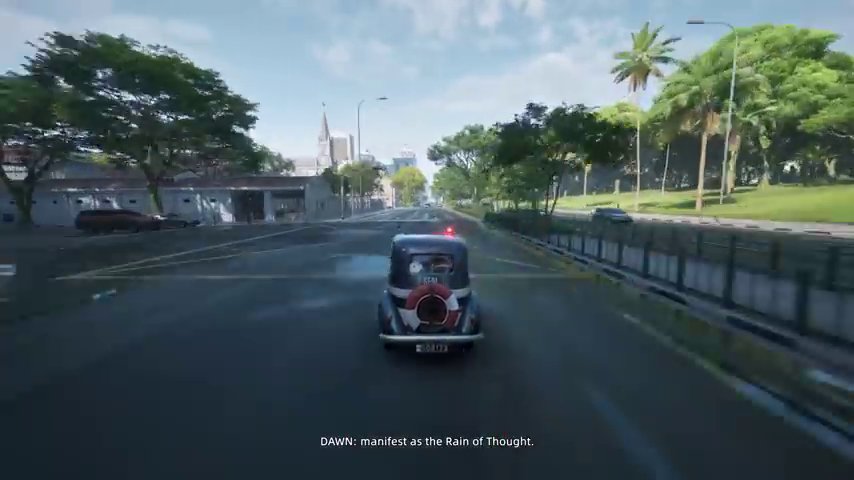
This kind of in-universe media, combined with the presence of an AI companion named Dawn, holographic city signs, and tactical digital map overlays, grounds the player in a world that feels technologically advanced but socially fragile. For players already eager to get their bearings, a community-built Varsapura map (https://varsapura-map.appsample.com) is available online, offering an early look at the districts and landmarks you will be navigating. The interactions between characters, such as the banter with the receptionist Vivian or the tactical communications during a “Code Red” in the Oakwood district, feel like scenes pulled from a high-stakes sci-fi anime rather than a fantasy epic.
The Verdict: A Distinct New Direction
So, is Varsapura another Genshin Impact? The definitive answer is no.
It is entirely natural to look at a new game from HoYoverse, see the beautiful anime-style cel-shading, the gacha-style character designs, and the third-person action combat, and immediately draw comparisons to their biggest hit. The visual polish and the unmistakable “HoYoverse look” are certainly present.
However, beneath the surface, Varsapura is an entirely different beast. It trades the bright, expansive open world of Teyvat for claustrophobic, neon-drenched urban environments and corrupted nightmare dimensions. It swaps whimsical fantasy storytelling for a mature, psychological narrative centered around murder, mental decay, and bureaucratic organizations. And most importantly, it replaces team-based elemental combat with pure, high-speed, character-action gameplay, even throwing stealth mechanics into the mix for good measure.
Varsapura is not trying to be the next Genshin Impact. It is aiming to carve out its own unique space in the action RPG genre. If you prefer your action fast, your aesthetics cyberpunk, and your storylines layered with psychological tension, Varsapura might just be the next major obsession when it finally launches. It’s a bold step in a new direction for the developers, and based on this 31-minute glimpse, it’s a step they are taking with incredible confidence.