Varsapura is looking for closed beta testers
If you follow HoYoverse mainly through Genshin Impact, Varsapura is worth watching as the studio’s next major open-world experiment in a very different kind of city.
HoYoverse has started putting Varsapura in front of potential testers, and the short recruitment ads are doing more than asking people to fill out a form. Across the clips, the game is repeatedly framed as a “high-quality open-world city RPG,” with footage that lingers on streets, districts, weather, signage, and the idea of becoming one of the city’s first residents.
Public reporting around the recruitment points to a first confidential, data-wiping test that opened for applications on July 2, 2026, with Windows PC listed as the supported test platform and participation focused on mainland China, Hong Kong, Macau, and Taiwan. The ads themselves avoid systems-heavy explanations. Instead, they sell a mood: Varsapura is a city to enter, observe, and explore.

The ad is selling a place first
The clearest message in the ads is not combat, character collection, or story premise. It is the city. One early sequence shows a sunny street with palm trees, white buildings, red shutters, balconies, a small pale-green car, and warm storefronts. Text on top of the footage says players can “step into a high-quality open-world city” and “explore every corner of the city freely.”
That wording matters. Varsapura is being presented less like a stage for missions and more like the main attraction. The camera repeatedly returns to walkable-looking streets, layered apartment blocks, fences, awnings, and quiet road scenes. Even when the clip is clearly an advertisement, the chosen screenshots imply that environmental density and local texture are central to the pitch.
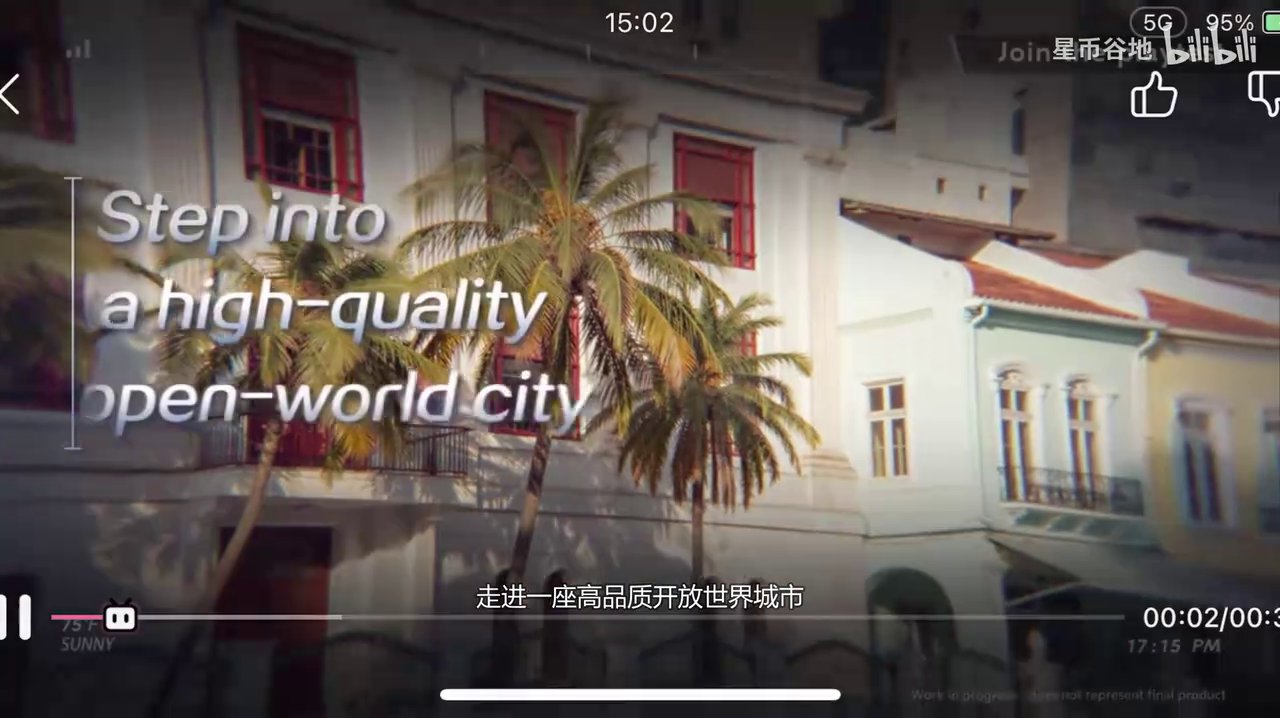
The repeated “city” language also gives the recruitment a softer tone than a typical beta announcement. Viewers are not only being asked to test software. The ad says to “become the first residents,” “click to register,” and enter a city that has supposedly been waiting for them. That makes the test feel like an early invitation into a living urban setting.
Different districts, different moods
The ads also contrast at least two strongly different urban moods. The sunny district is bright, coastal, and almost vacation-like: palm-lined facades, pastel storefronts, white walls, red shutters, and light traffic. Later, the clip cuts to a rainy night district with high-rises, bridges, wet streets, reflected lights, and blue neon haze.
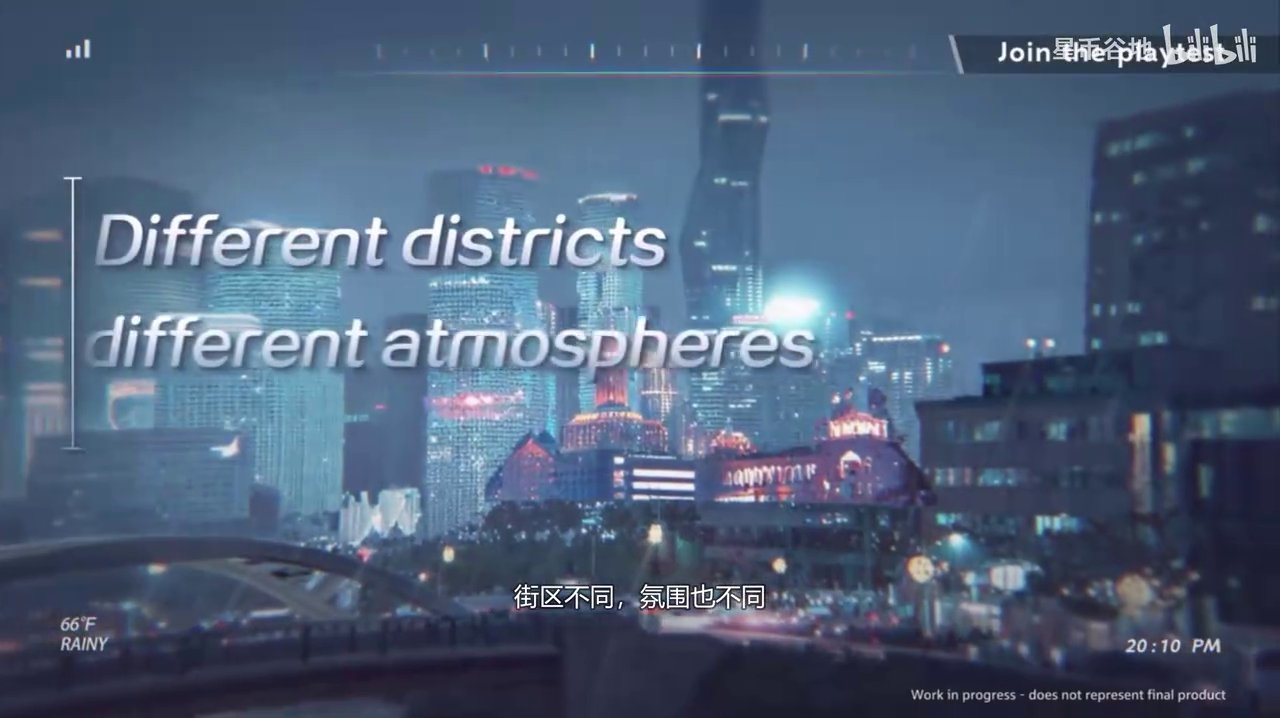
The on-screen line “Different districts, different atmospheres” is one of the most useful hints in the whole recruitment set. It implies that Varsapura’s open world may be organized around district identity rather than just a single continuous city skin. Weather, time of day, architecture, traffic, and lighting all look like part of that identity.
For players trying to keep track of the game’s revealed spaces, a community Varsapura map can be useful because the ads already suggest that geography and district mood will matter to how the city is understood.
The test is framed as limited and immediate
The recruitment copy is direct. Several frames say “First playtest sign-ups open now,” “limited spots,” and “sign up.” Chinese captions repeat the same urgency: the first round of testing is open, places are limited, and interested players should register immediately.

This is not just decorative wording. The ads make the first test sound small and selective, which lines up with reports describing it as a confidential, limited, wipe-after-test recruitment. The visuals also avoid promising a polished final build. Multiple frames include work-in-progress or development-content disclaimers, reminding viewers that the footage is not final quality.
That combination is important: the ads are trying to build excitement without pretending the game is finished. They show enough city footage to establish a fantasy of place, while the disclaimers keep expectations tied to an in-development test.
”First residents” is the core fantasy
One set of frames uses three clipped Polaroid-style screenshots of city streets and buildings, then overlays “first round test, limited recruitment” and “click to register.” Another set switches to a travel-poster layout with teal borders, postcards, and greetings like “Hello, new friend.”
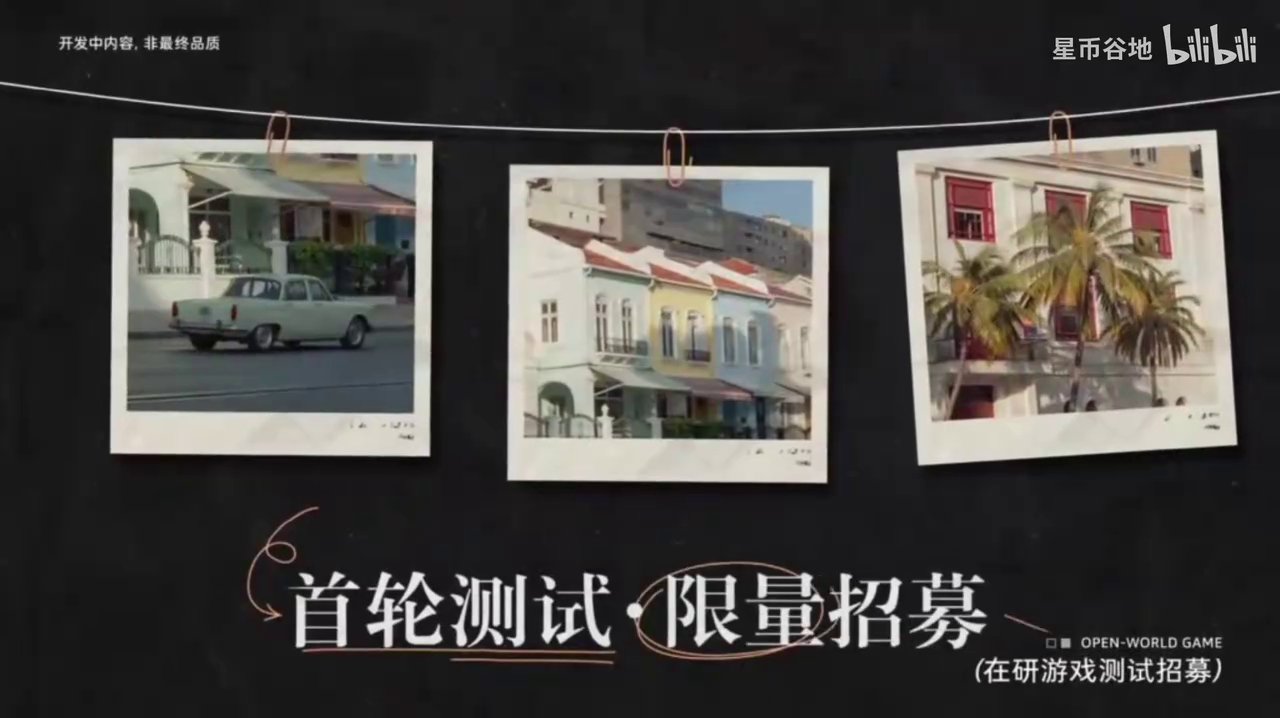
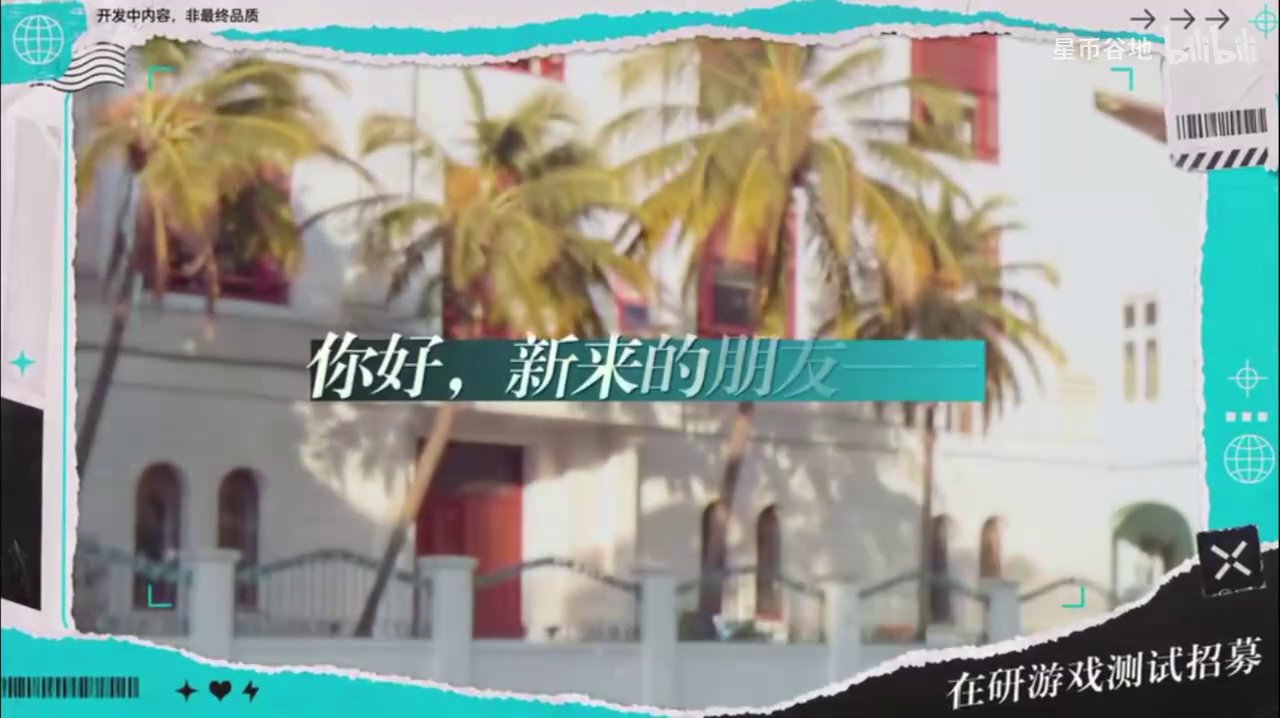
The language is unusually residential. Instead of saying “join the beta” and stopping there, the ad repeatedly tells viewers to become one of the first city residents. That makes the test part of the fiction. Varsapura is not only recruiting testers; it is recruiting early inhabitants for a city that wants to feel lived in.
The phrasing also hints at what HoYoverse may want feedback on. If the core fantasy is being a resident, the test likely needs players who will notice how the city reads: whether streets feel coherent, whether districts feel distinct, whether traversal is pleasant, and whether everyday urban details make the world believable.
The game is still being pitched as an RPG
Even though these ads focus heavily on environments, they do not drop the RPG label. Several frames call Varsapura an “urban open-world RPG” or a “high-quality open-world city RPG.” That connects the city footage back to the longer public gameplay material, where Varsapura has been described as a modern urban action RPG with paranormal investigation elements, SEAL, Shadow Monsters, and fast action combat.
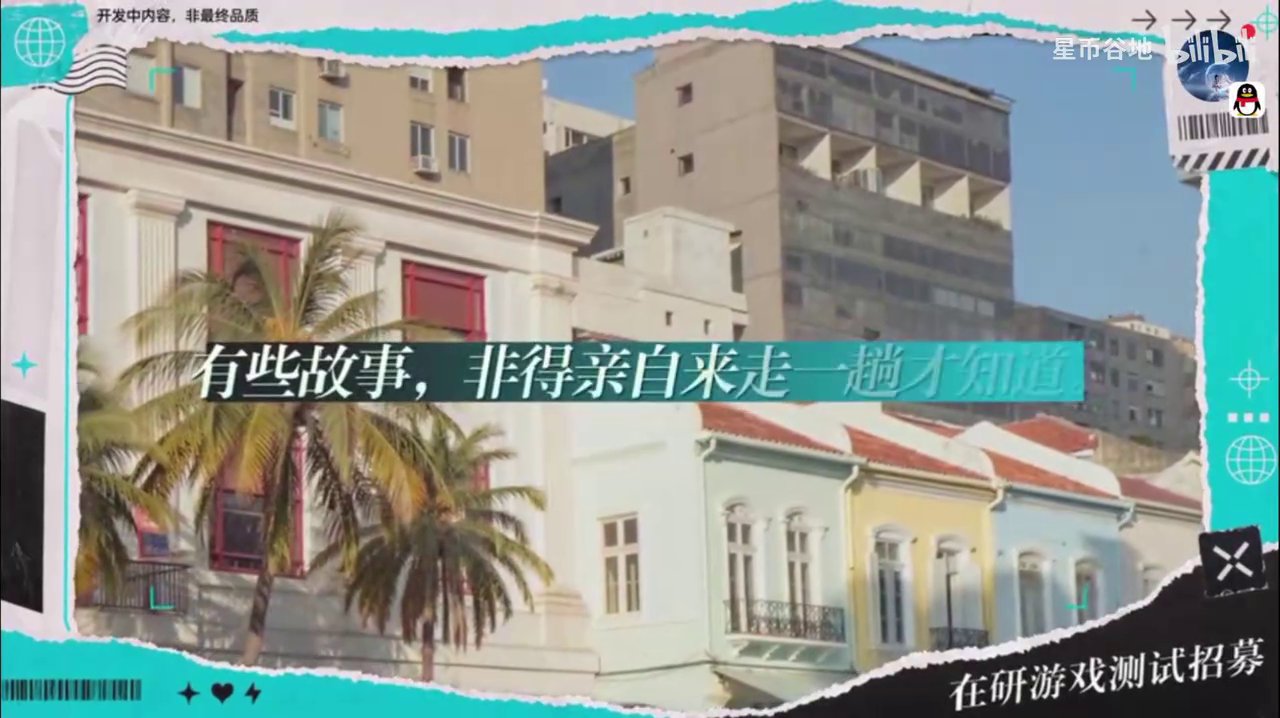
The recruitment ads are not trying to explain those systems in depth. There is no long combat breakdown, no character kit showcase, and no UI-heavy menu tour. Instead, they use short phrases: a city that feels alive, a world to explore freely, stories that have to be experienced in person, and people you may meet along the way.

That suggests this recruitment push is about positioning. HoYoverse wants viewers to remember Varsapura as a city RPG first, then let the test and future materials prove how the mechanics support that idea.
What these ads imply about Varsapura
Taken together, the clips imply a few things. Varsapura is leaning hard into a modern city identity, not just a generic open world. District variety appears to be a selling point, with sunny streets and rainy high-rise areas used as contrast. The test is being framed as limited and confidential, but the marketing language makes it feel like an invitation into the fiction rather than a dry technical beta.
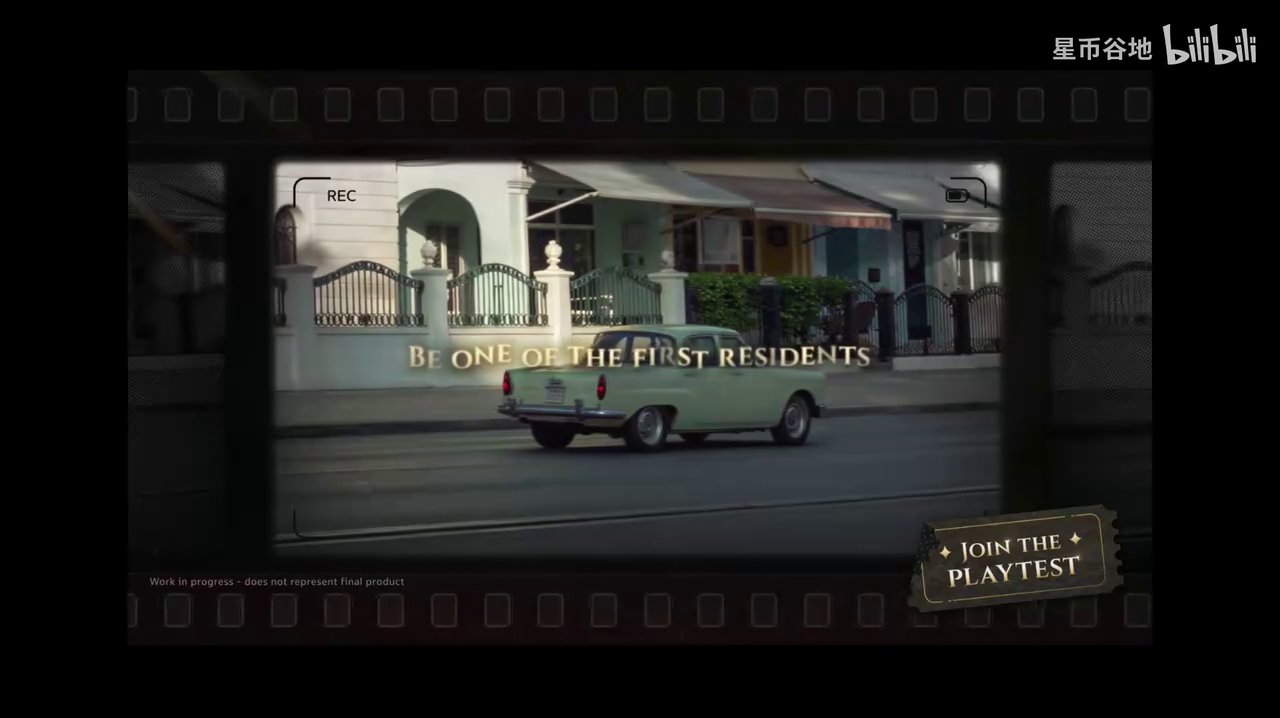
Most importantly, the ads imply that HoYoverse wants players to evaluate Varsapura as a place. The footage keeps returning to architecture, weather, roads, storefronts, and city atmosphere because those are probably the promises the team most wants the first testers to believe in.

If Varsapura can make those short ad promises hold up in actual play, the closed beta will be more than an early systems check. It will be the first real test of whether this rain-soaked, sunlit, district-driven city can feel like a place worth living in.